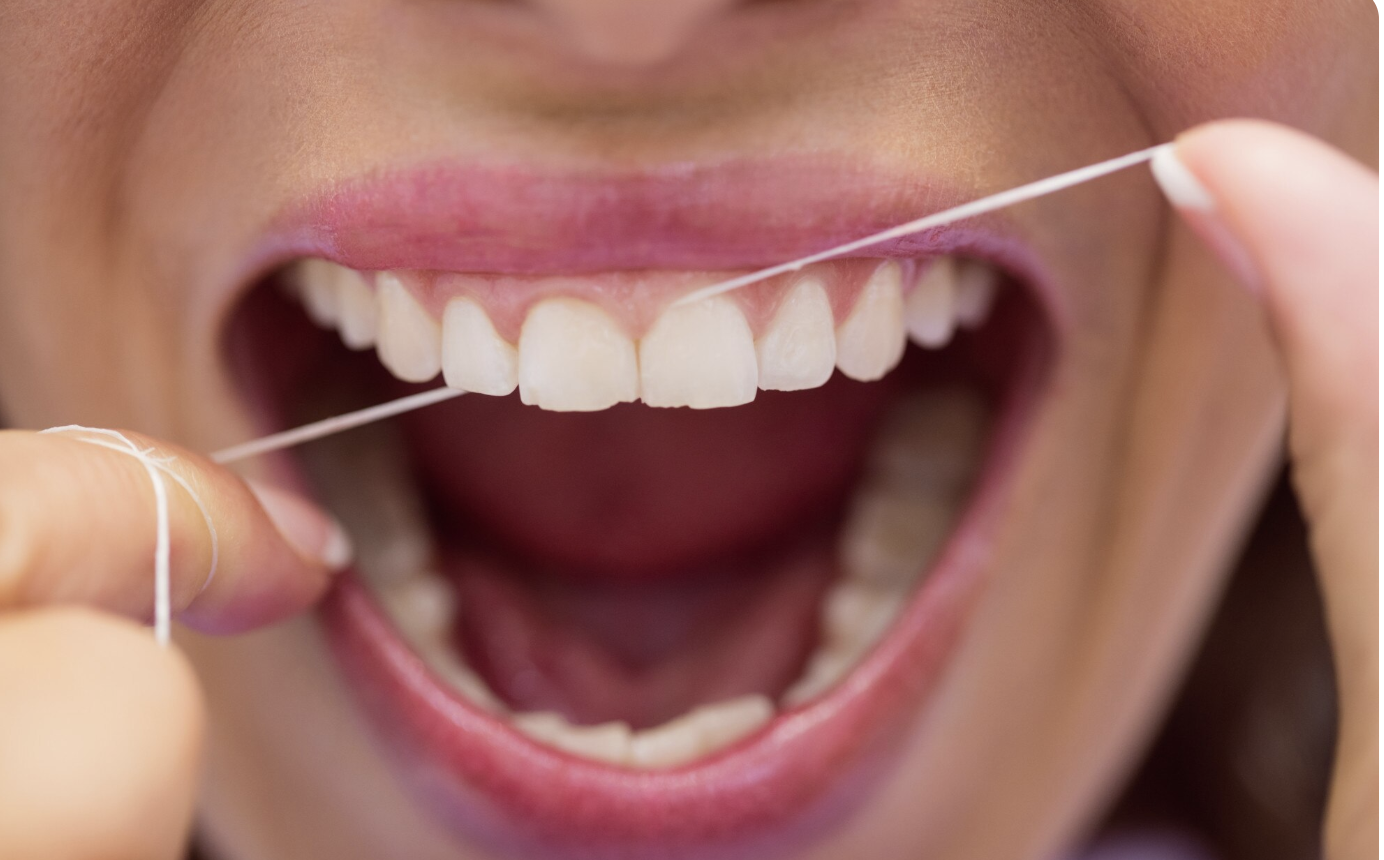
Proper oral hygiene is not limited to simply brushing your teeth. Although brushing your teeth two or three times a day is a basic good habit, it is often not enough to completely remove plaque and food debris. The interdental areas, that is, the spaces between teeth, are in fact particularly difficult to reach and represent a critical point where bacteria and debris can accumulate. Hence the importance of the interdental cleaning, which can be done with different tools: floss, pipe cleaners and irrigators.
Why interdental cleaning is essential
Interdental spaces are areas where the traditional toothbrush cannot intervene deeply. If neglected, they easily become a haven for bacterial plaque, which over time can mineralize and turn into tartar. This condition not only increases the risk of tooth-to-tooth decay, but can also promote the onset of gingivitis and periodontitis. This is why dentists and hygienists recommend the daily use of interdental instruments as an adjunct to regular brushing.
Flossing: the most traditional method
Why choose Smile Provider?
❤️ Assistance in Italian before and after the trip
✈️ All inclusive package (flight + hotel)
⭐️ Certified materials and written warranty
🇮🇹 Thousands of Italian patients followed
The floss is perhaps the best known tool for cleaning between the teeth. It consists of a thin nylon or Teflon wire that, when used correctly, can remove plaque and debris in the tightest spaces. It is especially useful for people who have close teeth and healthy gums. However, flossing requires dexterity and perseverance: incorrect, too vigorous or occasional use can cause gum irritation or make cleaning ineffective. For this reason, many patients struggle to integrate it permanently into their daily routine.
Interdental brushes: practicality and effectiveness
The interdental brushes are small instruments with bristles, similar to microbrushes, designed to clean the wider spaces between teeth. They exist in different sizes to suit various clinical needs. Brushes are very effective in removing plaque and debris and are easier to use than floss, especially for those wearing braces, bridges, or implants. Their effectiveness is so well recognized that in some cases they are recommended as the main alternative to flossing, especially in adults with larger tooth spaces.
Oral irrigators: technology in the service of hygiene
In recent years, the oral sprinklers, devices that emit a pressurized jet of water to remove plaque and food debris from hard-to-reach areas. They do not replace toothbrushes and floss, but are a valuable support. They are particularly good for people with orthodontic appliances, dental implants or sensitive gums, as they provide gentle but effective cleaning. Although they cost more than floss and pipe cleaners, many patients appreciate them for the ease of use and the fresh feeling they leave after use.
Which instrument to choose?
The choice between floss, pipe cleaners, and irrigators depends on several factors: the conformation of the teeth, the presence of braces or implants, gingival sensitivity, and personal preference. In general, floss remains the most suitable solution for narrow spaces, brushes for wider spaces or special clinical situations, while irrigators are a useful adjunct to improve the overall quality of oral hygiene. In many cases, the combination of several instruments provides the best results.
La interdental cleaning is an essential step in maintaining healthy teeth and gums. Choosing the right tool-whether floss, pipe cleaners, or oral irrigator-is a decision that should be made together with your dentist or hygienist, assessing your personal needs and the condition of your mouth. With a correct and consistent daily routine, many dental problems can be prevented and a healthier, longer-lasting smile can be ensured.