
Are you considering dental care in Albania?
In this article you will find clear information. If you want a personalized assessment, our team is available.
Assistance in Italian - Clinic in Tirana - No commitment
What is dental plaque
Plaque is a thin, transparent or slightly opaque layer that forms daily on the surface of teeth. It is composed of bacteria, food debris, and saliva. This biofilm develops naturally, especially after eating, and settles along the gum line and in the spaces between teeth.
Initially, plaque is soft and easily removable with thorough daily oral hygiene: a toothbrush, fluoride toothpaste, and dental floss are sufficient. However, if neglected for even just 24-48 hours, it begins to calcify, transforming into tartar.
What is dental tartar
❤️ Assistance in Italian before and after the trip
✈️ All inclusive package (flight + hotel)
⭐️ Certified materials and written warranty
🇮🇹 Thousands of Italian patients followed
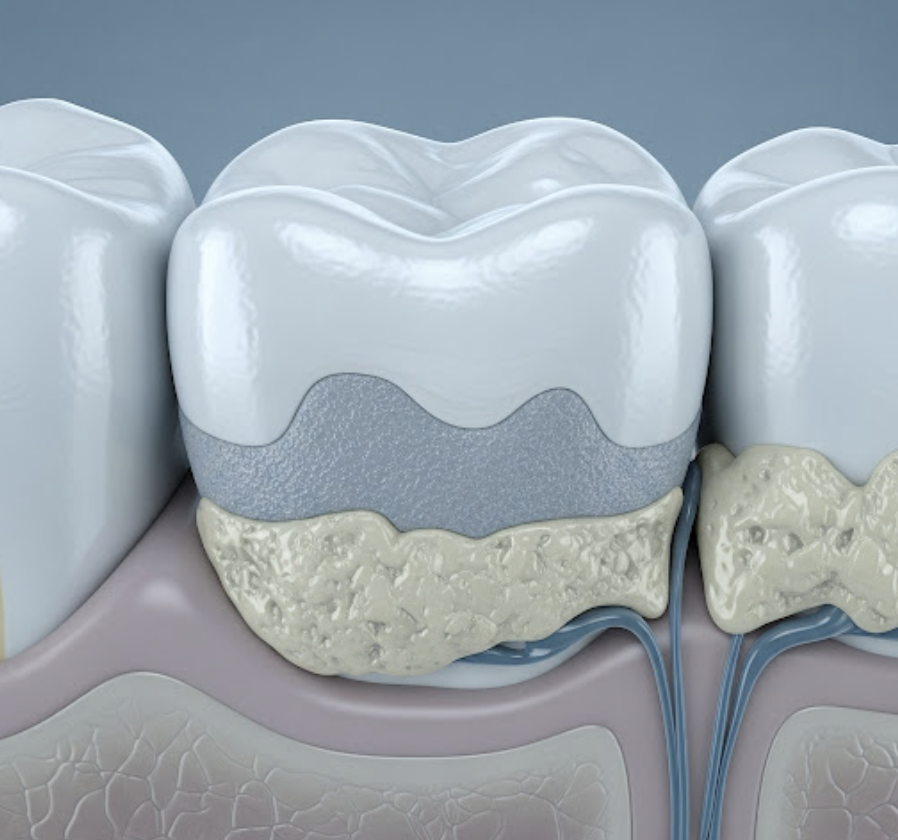
Tartar, also known as dental calculus, is the result of unremoved plaque hardening upon contact with minerals in saliva. Unlike plaque, tartar is more noticeable in appearance: it tends to be yellow or brown and has a hard, rough texture.
Once formed, it can no longer be removed with a toothbrush or with common household cleaning tools. To remove it, the intervention of a dental hygienist is necessary through a professional procedure called tartar removal, or scaling.
The differences between plaque and tartar
Although closely related, plaque and tartar have very different characteristics. Plaque is a transparent, soft film that is easily removed at home, but it forms quickly, even in a few hours. Tartar, on the other hand, develops when plaque is not removed in time: it hardens within two to three days, becoming a solid deposit, yellowish or brown in color, that adheres firmly to the teeth.
Plaque can be prevented and managed daily. Tartar cannot: once present, it must be removed by a professional.
Why are they dangerous to oral health
Both plaque and tartar pose a real risk to the health of your teeth and gums. The bacteria in plaque can cause cavities, gum inflammation, and, in more severe cases, periodontitis. When plaque turns into tartar, the danger increases: the rough surface of tartar promotes the adhesion of new bacteria and makes it even more difficult to maintain good oral hygiene.
This can lead to persistent gum inflammation, bleeding, bad breath, and even tooth loss in advanced periodontal infections.
How to prevent and remove plaque and tartar
Prevention is key to avoiding tartar buildup and limiting the damage caused by plaque. Proper daily oral hygiene is essential: brush your teeth at least twice a day, floss, choose a fluoride toothpaste, and, when necessary, supplement with an antibacterial mouthwash.
However, even with the best habits, some plaque still tends to accumulate over time. For this reason, it is essential to have regular check-ups and professional cleaning sessions every six months. During tartar removal, the hygienist uses ultrasonic and manual instruments to eliminate all traces of tartar, even in the hardest-to-reach areas.
It's important to emphasize that attempting to remove tartar on your own, with metal tools or DIY techniques, can damage enamel and gums, making the situation worse.
Plaque and tartar are the main enemies of oral health, but with awareness and prevention, they can be kept under control. Recognizing the differences between the two is the first step in protecting your smile.
If you notice red gums, bleeding while brushing, or dark spots near the gum line, don't wait: book a check-up with Smile Provider. Professional dental hygiene can make the difference between a reversible problem and a serious complication.
Request a free quote
Fill out the form: we will get back to you shortly with information and guidance on your case.
Contact us on WhatsApp